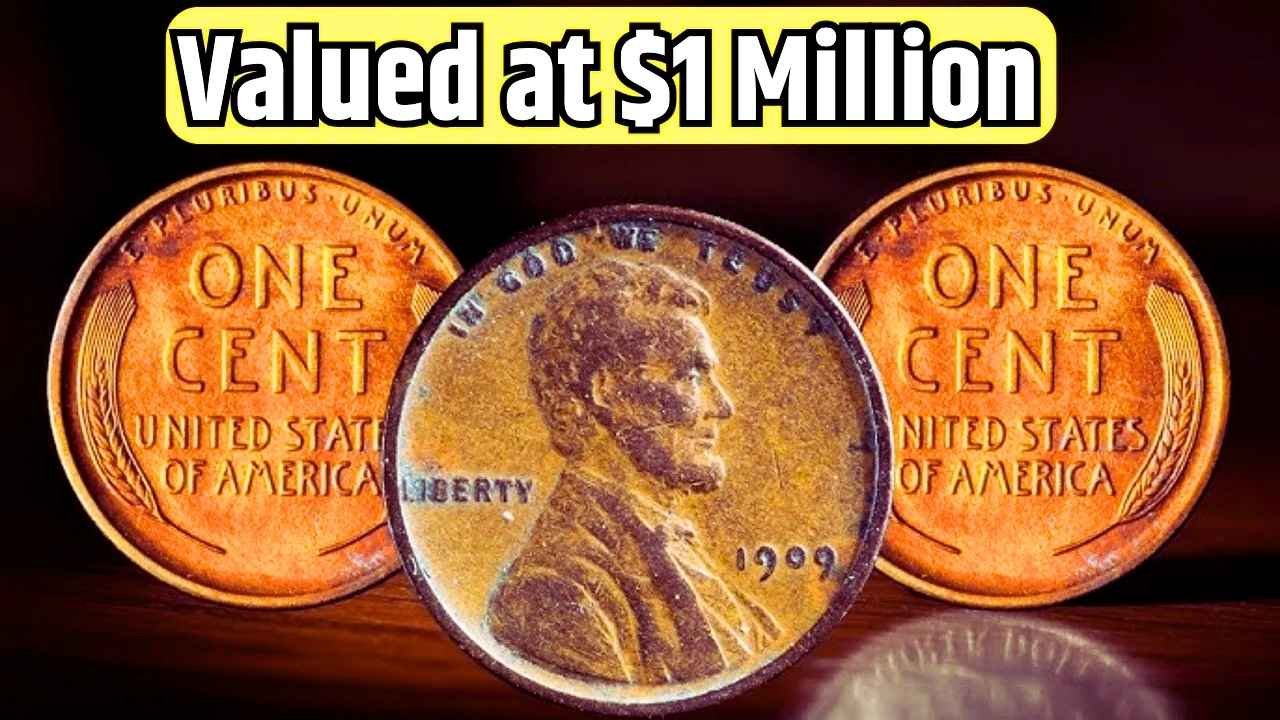
This Old Penny Could Be Worth $1 Million Imagine digging through your loose change and finding a penny worth a fortune. It sounds like a dream, but it happens more often than you think. Rare pennies from the past can fetch huge sums at auctions, turning everyday folks into big winners. One standout example is the 1943 copper penny, which experts say could go for up to $1 million if it’s in top shape. With coin collecting on the rise, now’s a great time to check your pockets or that old jar on the shelf. This article breaks down what makes these pennies special and how you can spot one.
The Story Behind Rare Pennies
Back in the day, the U.S. Mint made pennies mostly from copper. But during World War II, in 1943, they switched to steel to save copper for the war effort. A tiny mistake happened, though—a few copper pennies slipped through. Only about 20 of these are known to exist today. If you find one, it could change your life. Other valuable ones include the 1909-S VDB, named after the designer Victor David Brenner. These came from the San Francisco Mint and have his initials on the back. Just over 484,000 were made, making them hard to find.
What Makes a Penny Worth Big Bucks
Condition matters a lot when it comes to value. Collectors look for pennies that are shiny and free from scratches or wear. The date and mint mark are key too. For instance, a “D” means it was made in Denver, and an “S” points to San Francisco. Rare errors, like double stamping or wrong metal, boost the price even more. Take the 1955 double die penny—it’s got blurry letters from a minting goof, and one in good shape can sell for thousands. Always handle coins with care to avoid damaging them.
To help spot these gems, here’s a quick guide on top rare pennies and their estimated values:
| Penny Type | Year | Mint Mark | Potential Value |
|---|---|---|---|
| Copper Lincoln | 1943 | None | Up to $1M |
| VDB Lincoln | 1909 | S | $1,000-$100K |
| Double Die | 1955 | None | $1,000-$50K |
| Wheat Penny | 1914 | D | $200-$10K |
This table shows just a few examples—values can vary based on condition.
How to Check Your Own Coins
Start by grabbing a magnifying glass and good light. Look at the date first. If it’s from before 1982, it’s likely copper and might be worth more than a cent. Check for mint marks under the date. No mark usually means Philadelphia. Feel the weight too—real copper pennies are heavier than the zinc ones we have now. If you think you’ve got something special, take it to a coin shop or appraiser. They use tools to grade it on a scale from 1 to 70, with higher numbers meaning better condition and more money.
Many people share stories online about finding these in attics or inherited collections. One guy in Massachusetts sold a 1943 copper penny for over $200,000 after spotting it in his lunch money as a kid. Apps and websites like PCGS or NGC can help verify authenticity without leaving home. Just snap a photo and upload it for expert opinions.
Tips for Starting Your Search
Join a coin club in your area to learn from others.
Read books on U.S. coins for more details.
Buy a safe to store your finds properly.
Watch auctions on sites like eBay, but be careful of fakes.
Share your discoveries with friends it might spark their interest too.
Why Now Is the Time to Look
Coin values keep climbing as more people get into collecting. With inflation and economic ups and downs, these tiny treasures hold their worth well. Even if you don’t hit the jackpot, the hunt is fun and educational. Who knows? That penny rattling in your drawer could be your ticket to a windfall. So next time you get change, take a second glance you might just strike it rich.